
About Us
Dearah Association for Social and Humanitarian Action - ASHA NGODearah Association for Social and Humanitarian Action (ASHA NGO) was established through a collective vision of like-minded individuals to address the persistent gaps between Rights Holders and Duty Bearers, which often compel marginalized communities, particularly in rural areas, to live as quasi-citizens. While the root causes of these challenges remain deeply embedded in rural contexts, their manifestations are often more visible in urban settings. This collective initiative took legal shape on 17th September 2007, when the organization was formally registered under the West Bengal Societies Registration Act, 1961. ASHA NGO is a registered non-profit organization and is also affiliated with several statutory bodies in India, including the Foreign Contribution (Regulation) Act, 2010 (FCRA), NITI Aayog (NGO Darpan), the Income Tax Act, 1961 (Sections 12AA & 80G) and the Ministry of Corporate Affairs, Government of India, ensuring transparency, accountability and compliance.
The organization primarily operates in the bordering blocks along the Indo–Bangladesh border and the deltaic region of the Sundarbans in the district of North 24 Parganas, West Bengal, while also having experience in implementing projects in other parts of West Bengal as well as in the states of Assam and Chhattisgarh. Its work focuses on addressing critical issues affecting adolescent children with a majority of girls and women who often become vulnerable to child marriage, child labour, gender- based – violence, sexual exploitation, malnutrition, unsafe migration and trafficking. Through sustained interventions, ASHA NGO seeks to protect rights, raise awareness, and create safer and more supportive environments for these communities.
Guided by a rights-based approach, ASHA NGO actively engages community members, local stakeholders and government officials to build meaningful linkages between rights holders and duty bearers. This approach enables the organization to address systemic gaps and promote inclusive and participatory development processes. Over the years, ASHA NGO has played a significant role in strengthening institutional mechanisms for child protection by facilitating the formation of Block Level Child Protection Committees and Village Level Child Protection Committees in accordance with the guidelines of the Department of Women & Child Development, Government of West Bengal, across its project areas under the jurisdiction of the Basirhat Police District. The organization has also contributed as a member to several key committees, including the District Task Force for the One Stop Centre for victims of domestic violence, the District Vigilance Committee on bonded child labour and the Vigilance Committee on atrocities against SCs and STs in the Bidhannagar Sub-division and is recognized as a Service Provider under the Protection of Women from Domestic Violence Act, 2005.

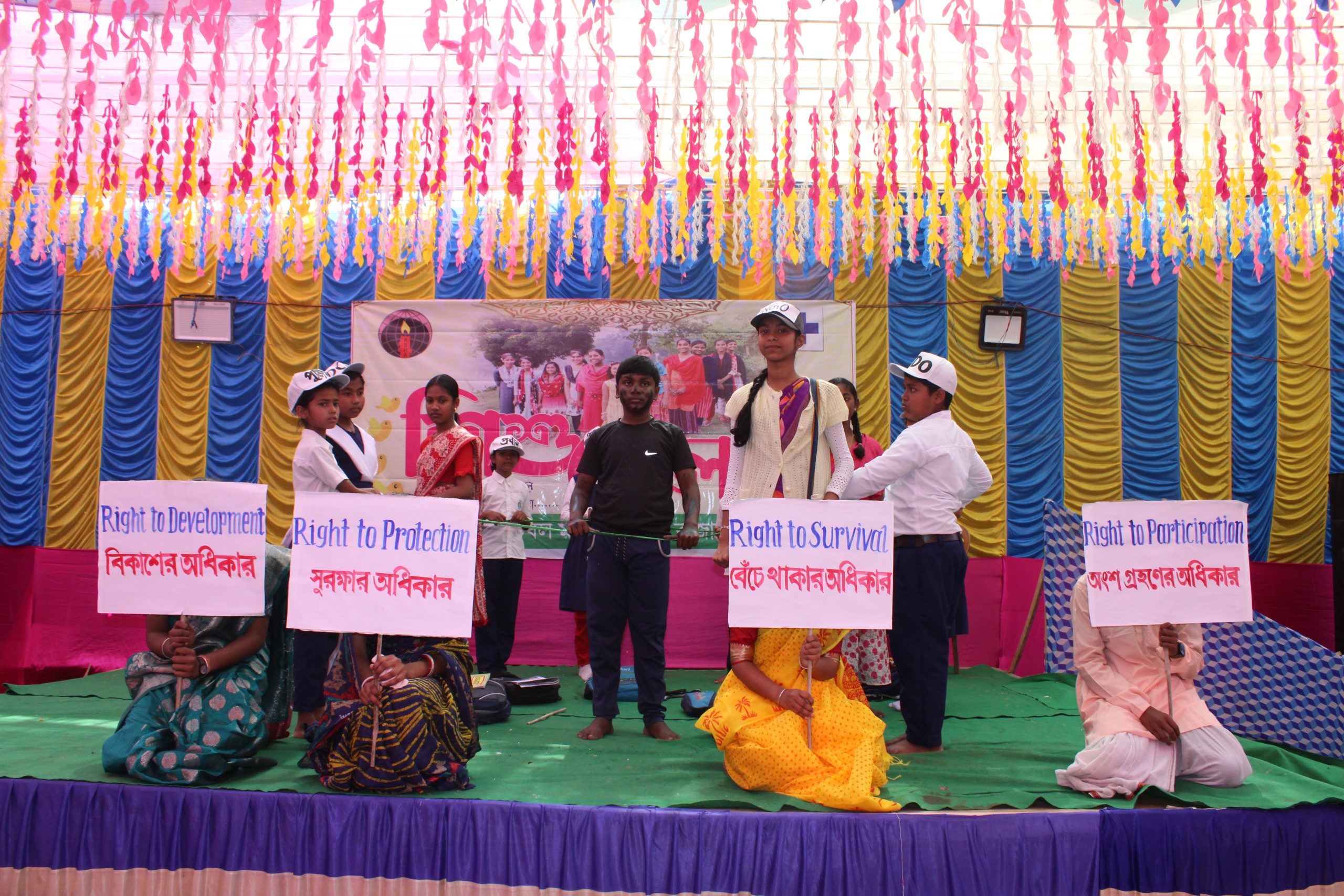
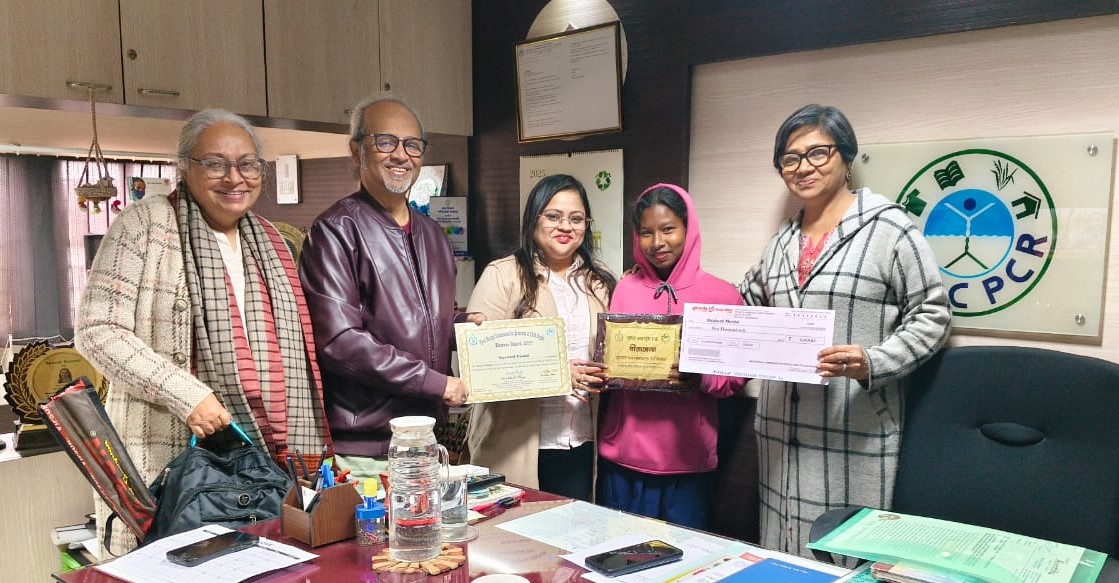
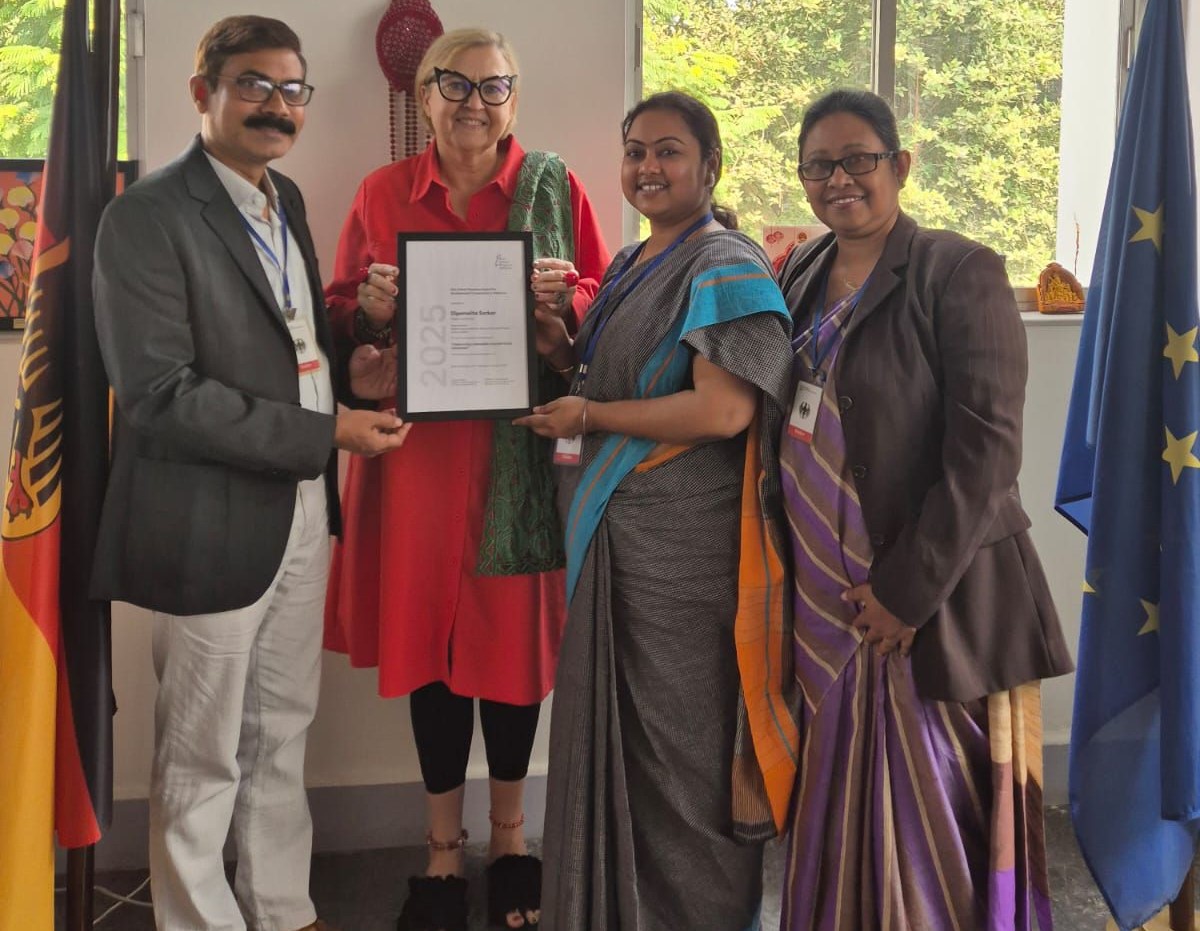
ASHA NGO has further contributed to capacity building by serving as a Master Trainer on child protection mechanisms, facilitating training sessions for members of child protection committees as recommended by the District Child Protection Unit, North 24 Parganas. Its work has received formal recognition from the West Bengal Commission for Protection of Child Rights through the Awardees of the Birangana (Bravery) Award. The organization has implemented projects on child protection and prevention of trafficking with the support of the Aangan Trust, Action Aid India and the British Deputy High Commission, Kolkata and continues to implement initiatives on preventive healthcare and nutrition with the support of German Doctors e.V. and Welthungerhilfe, Germany, as well as child protection and anti – trafficking programmes supported by Kindernothilfe e.V., Germany; while its project on Gender Equality is supported by the Azim Premji Philanthropic Initiatives. It is also engaged in advocacy on the scarcity of safe drinking water with support from German Doctors e.V. and the Federal Ministry for Economic Cooperation and Development (BMZ), Germany.
Through its diverse interventions, ASHA NGO conducts activities such as the development of teaching learning materials and advocacy tools, theatre workshops, awareness generation programmes and community – based training initiatives. It works closely with adolescents on protection issues and gender equality and supports women in financial planning and budgeting, while also conducting training on adolescent reproductive and sexual health (ARSH) and preventive healthcare. In addition, the organization actively engages in research and publications to strengthen evidence-based practices. ASHA NGO remains committed to building a just, inclusive and equitable society where every individual, especially those from marginalized communities, can live with dignity, equality and opportunity and continues to strive towards creating sustainable and meaningful social change.
Our Mission, Vision & Aims
Our Mission
1. To motivate and support children to promote their Rights;
2. To nurture adolescents for different processes become change agents;
3. To inculcate in women the sense of empowerment and strive for the same;
4. To make the community responsive and participatory to the development process;
5. To initiate a process for bridging the gap between the ‘rights holders’ and the ‘duty bearers’;
Our Vision
“The organization envisages a society for all those (marginalized, deprived, oppressed, and lagging) wherein they exploit and explore their potentials to restore the factors responsible for their survival, development, protection, and participation”
Our Objectives
- To mobilize the community to identify the local issues and place them before the relevant authority for redressal;
- To enable the adolescent children to identify and articulate the various risks in aligned to their Right to Protection;
- To enable adolescent children and youths to understand and practice the ‘democratic process and constitutional values’ in aligned to their Right to Participation;
- To orient the community towards adopting a way of perception, practice providing others with a space they find it suitable;